In this post, I comment on Elie Wiesel and his wisdom regarding the dangers associated with indifference.
Nobel laureate writer, professor, political and social activist Elie Wiesel (1928 – 2016) is remembered as a holocaust survivor who did much to inform the world of the atrocities in Nazi Germany’s World War Two concentration camps. He wrote 57 books and told the story of his experiences at the Auschwitz and Buchenwald camps where his mother and sister were murdered, and he and his father were forced to work for their captors in order to stay alive.
Worn down by the hard labor, lack of nutrition, and ongoing stress, his father passed away before the camps were liberated. Wiesel later wrote of the tremendous shame he felt about being unable to help save his father.
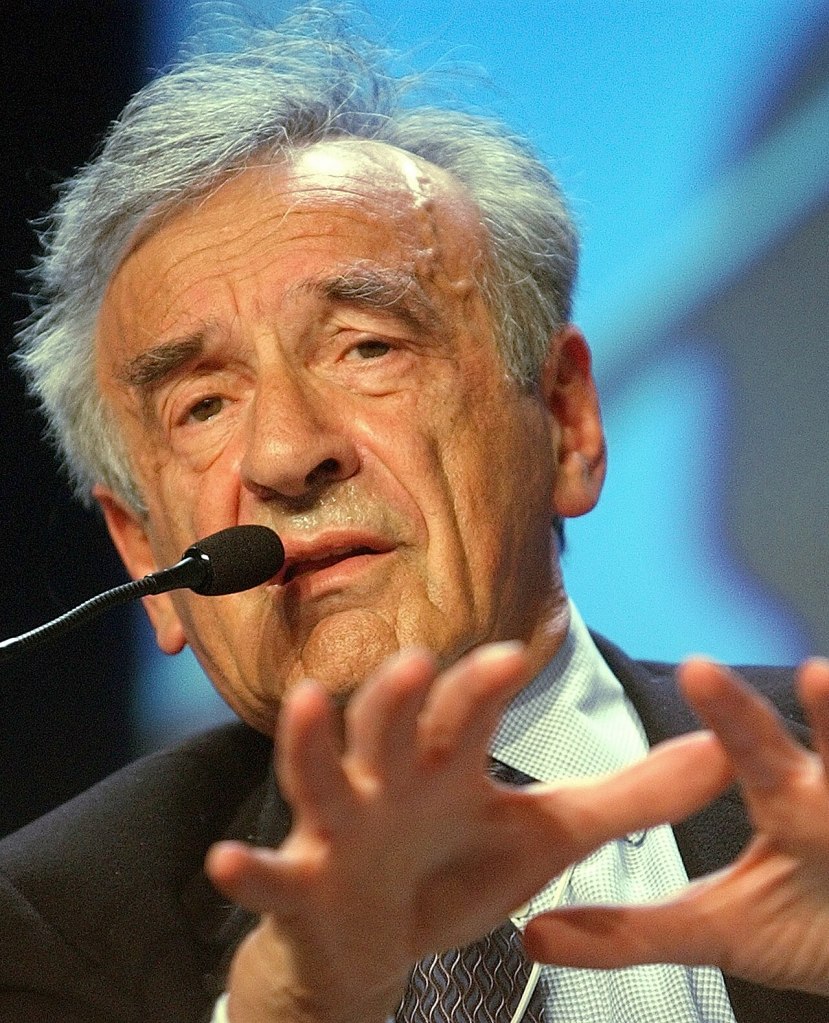
Wiesel delivered a speech at The White House in Washington, D.C., on April 12, 1999, The Perils of Indifference, where he shared that indifference is the most dangerous of the many emotions he felt and witnessed during the war and afterward. “Gratitude is a word I cherish,” he said. “Gratitude is what defines the humanity of the human being… Of course, indifference can be tempting – seductive. It is much easier to look away from victims… It is, after all, awkward, troublesome, to be involved in another person’s pain and despair.”1
Wiesel asked if it was “necessary at times to practice (indifference) simply to keep one’s sanity, live normally…as the world around us experiences harrowing upheavals?” And he added, “For the person who is indifferent… (the victims’) lives are meaningless. Their hidden or even visible anguish is of no interest. Indifference reduces the Other to an abstraction.”2
He shared how deep indifference affects the victims’ souls. “Rooted in our tradition, some of us felt that to be abandoned by humanity then was not the ultimate. We felt that to be abandoned by God was worse than to be punished by Him. Better an unjust God than an indifferent one. For us to be ignored by God was a harsher punishment than to be a victim of His anger. Man can live far from God – not outside of God. God is wherever we are. Even in (our) suffering.”3
Wiesel was forever grateful and felt indebted to the United States Army soldiers who liberated the Buchenwald camp and finally freed him and the others from captivity. Still, he could not help but question when he discovered the United States government was aware of the atrocities in the concentration camps long before the allies did anything about it.
“It they knew, we (the camp prisoners) thought, surely those leaders would have moved heaven and earth to intervene. They would have spoken out with great outrage and conviction. They would have bombed the railways leading to Birkenau, just the railways, just once.”4
He shared the sad tale of a ship of Jewish refugees being turned back from the United States to Nazi Germany and almost certain death. “The depressing tale of the St. Louis is a case in point,” Wiesel declared. “Sixty years ago, its human cargo – nearly 1,000 Jews – was turned back to Nazi Germany. And that happened after the ‘Kristallnacht’, after the first state sponsored program, with hundreds of Jewish shops destroyed, synagogues burned, thousands of people put in concentration camps. And that ship, which was already on the shores of the United States, was sent back.
“I don’t understand. (President Franklin D.) Roosevelt was a good man with a heart. He understood those who needed help. Why didn’t he allow these refugees to disembark? A thousand people – in America – the great country, the greatest democracy, the most generous of all new nations in modern history. What happened? I don’t understand. Why the indifference, on the highest level, to the suffering of the victims?”5
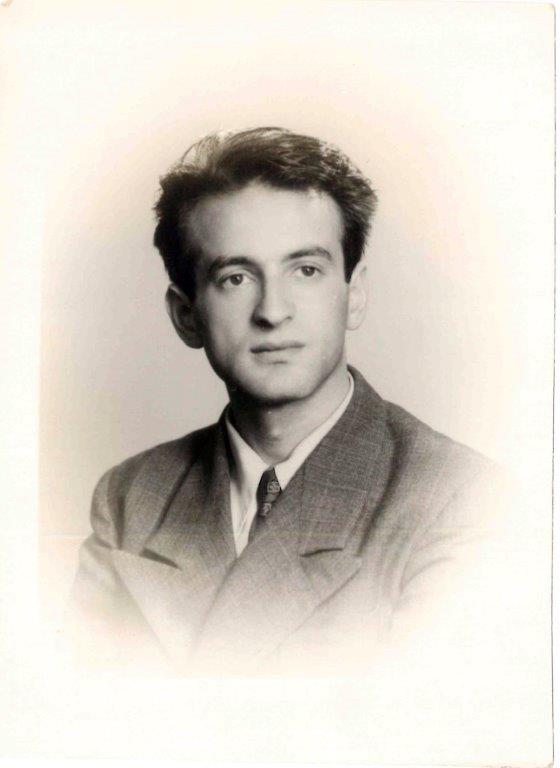
“Indifference is not a response…not a beginning; it is an end,” Wiesel said. “And, therefore, indifference is always the friend of the enemy, for it benefits the aggressor – never his victim, whose pain is magnified when he or she feels forgotten. The political prisoner in his cell, the hungry children, the homeless refugees – not to respond to their plight, not to relieve their solitude by offering them a spark of hope is to exile them from human memory. And in denying their humanity, we betray our own. Indifference, then, is not only a sin, it is a punishment.”6
We can apply Elie Wiesel’s words to everyday life and how we respond to people in need around us. His lesson is clear: Help others when you can, but do not ignore them as if they aren’t there. Your indifference cuts them deeply.
REMEMBER
◊ Elie Wiesel, just prior to the new millennium, asked if humans have learned from the past: “Has the human being become less indifferent and more human? Have we really learned from our experiences? … What about the children? When adults wage war, children perish… Some of them, so many of them, could be saved.”
◊ British author J.K. Rowling said, “Indifference and neglect often do much more damage than outright dislike.” Wiesel believed hate is not the opposite of love; indifference is the opposite.
◊ This blog post is an excerpt from Dave’s upcoming book, Take This With You…100 Messages to Accompany You on Your Life Journey, that is currently in the revisions phase. Visit www.davidajolley.com for additional blog posts, other interesting content, and updates on future book releases and appearances.
- Wiesel, Elie, The Perils of Indifference, April 12, 1999, speech in Washington, DC, www.americanrhetoric.com ↩︎
- Wiesel, Elie, The Perils of Indifference ↩︎
- Wiesel, Elie, The Perils of Indifference ↩︎
- Wiesel, Elie, The Perils of Indifference ↩︎
- Wiesel, Elie, The Perils of Indifference ↩︎
- Wiesel, Elie, The Perils of Indifference ↩︎


Leave a Reply