In this post, I comment on the all-too-often human tendency to blame others rather than taking responsibility and leading when something goes wrong. The blame game is something nobody ever wins.
None other than the great Hall of Fame manager Casey Stengel – wise despite his self-deprecating demeanor – offered the following sage advice related to ‘playing the blame game’ and pointing fingers at other people when things go wrong.
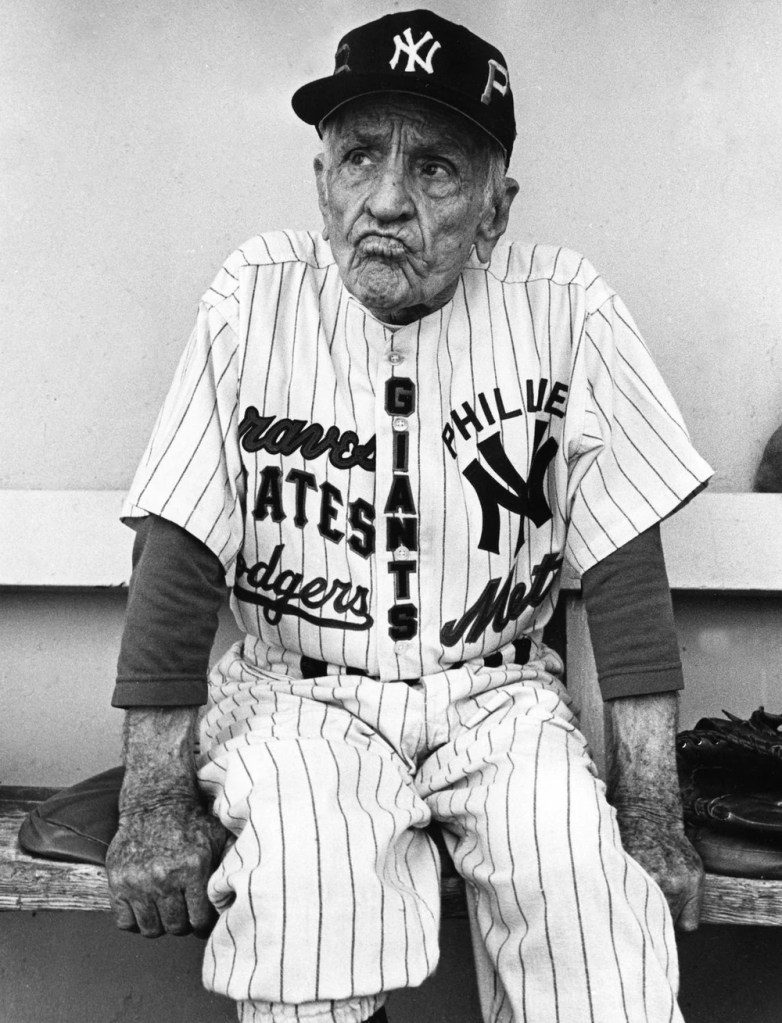
“All blame is a waste of time,” Stengel said. “No matter how much fault you find with another, and regardless of how much you blame him, it will not change you. The only thing blame does is keep the focus off you when you are looking for reasons to explain your unhappiness or frustration.”1
Remember, this is the man who managed the hapless original New York Mets in 1962, an expansion team that finished the season with a terrible record of 40 wins and 120 losses. That record stood as the most futile for many years. Stengel also managed the New York Yankees to seven World Series Championships. He saw both success and failure during his managerial career and learned how to be a successful leader from both the good and the bad.
Avoiding the blame game means we take responsibility for our own decisions and actions. As the American author Joseph Campbell observed, “Your life is the fruit of your own doing. You have no one to blame but yourself.”2
Campbell is spot-on about taking responsibility, but ‘blaming’ ourselves is not productive either because it creates defensiveness and can result in poor self-esteem. The important thing is to accept rather than run and hide from whatever occurred, take responsibility for any part we may have had in it, and look for constructive ways to move forward.
Blame is typically accompanied by resentment and non-constructive criticism; and nothing good comes from this approach. Coaches teach the concept of winning and losing with dignity and class, but there are no winners when we play the blame game. Pointing fingers antagonizes others, delays solutions, builds walls, and destroys the benefits of working as teams. This holds true in our careers and personal lives, so remember to look for solutions instead of scapegoats.
REMEMBER
◊ American author John Burroughs said, “A man can fail many times, but he isn’t a failure until he begins to blame someone else.” 3
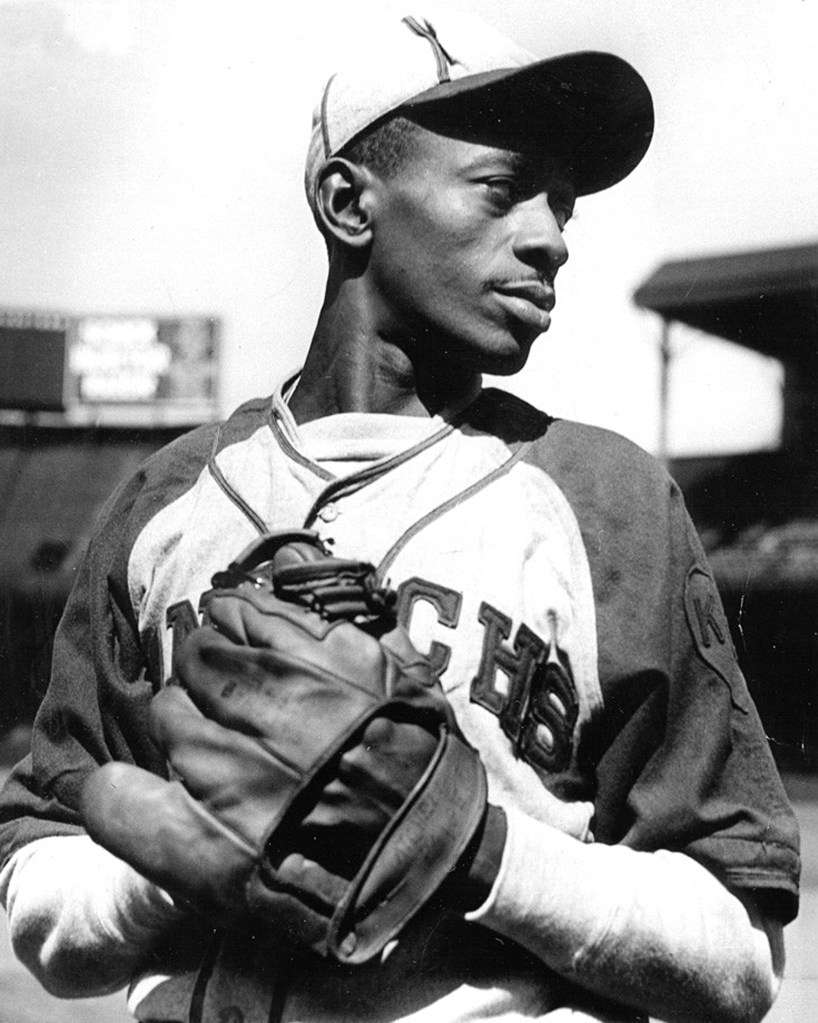
◊ “Not to be cheered by praise, not to be grieved by blame, but to know thoroughly one’s own virtues or powers are the characteristics of an excellent man,” said the legendary Hall of Fame pitcher Satchel Paige.4
◊ “What to do when life blindfolds you and spins you around?” asks American writer Melody Beattie. “We think it’s our fault, that we’re to blame, when really we should be focused on being gentle with ourselves.”5
◊ “Laying blame is so easy,” said American actress and producer Reese Witherspoon. “I don’t have time for hate or negativity in my life. There’s no room for it.”6
◊ This blog post is an excerpt from Dave’s upcoming book, Take This With You…100 Messages to Accompany You on Your Life Journey that is currently in revisions. Visit www.davidajolley.com for additional blog posts, other interesting content, and updates on future book releases and appearances.
- Stengel, Casey, BrainyQuotes, www.brainyquote.com/authors/casey-stengel-quotes ↩︎
- Campbell, Joseph, BrainyQuotes, www.brainyquote.com/authors/joseph-campbell-quotes ↩︎
- Burroughs, John, BrainyQuotes, www.brainyquote.com/authors/john-burroughs-quotes ↩︎
- Paige, Satchel, BrainyQuotes, www.brainyquote.com/authors/satchel-paige-quotes ↩︎
- Beattie, Melody, BrainyQuotes, www.brainyquote.com/authors/melody-beattie-quotes ↩︎
- Witherspoon, Reese, BrainyQuotes, www.brainyquote.com/authors/reese-witherspoon-quotes ↩︎


Leave a Reply