In this post, I explore how the San Francisco Giants Pride Night fallout could have been avoided with thorough planning as well as complete and accurate communication.
The Irish playwright George Bernard Shaw was definitely onto something when he said, “The single biggest problem in communication is the illusion that it has taken place.”1
According to Major League Baseball (MLB) Commissioner Rob Manfred, the San Francisco Giants learned this the hard way with the team’s recent Pride Night fallout. But MLB has some egg on its face, too.
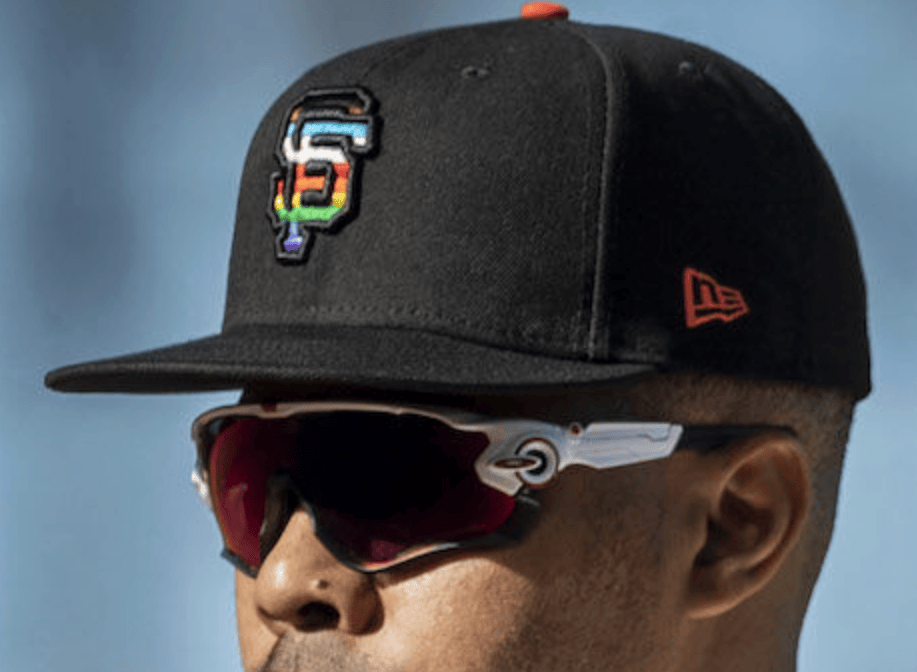
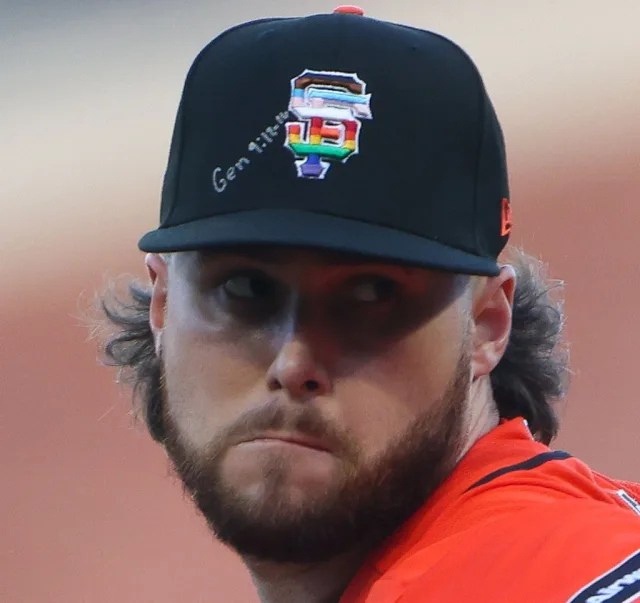
Here’s what happened: The Giants held the organization’s annual Pride Night celebration of the LGBTQ+ community on June 12. As part of the observance, the Giants’ baseball caps for the game included the team’s SF logo in the colors of the rainbow rather than the traditional orange color. The rainbow and its colors are often used as a symbol for Gay Pride.
Four players protested by either writing a Bible reference (Genesis 9:12-16) on their caps near the rainbow logo (JT Brubaker, Landen Roupp, and Sam Hentges) or wearing a cap with the traditional orange logo (Ryan Walker). The referenced Bible verses tell of God’s covenant with Noah and all living creatures after the flood with the rainbow serving as an ongoing reminder of God’s promise to never again flood the entire earth.
The Pride Night game was completed and everyone could have moved on, but news of the players’ subtle protest spread like wildfire. As a result: the players were accused of being homophobic; Roupp responded by saying there was no hate involved – just his personal belief in God; various elected officials made sure to get their time in front of the cameras; MLB warned the players who wrote on their ball caps that they were in violation of league uniform regulations; and US Senator Josh Hawley contacted MLB looking for answers regarding the league’s handling of the four players in question.
The Giants issued a statement that the team is proud to support Pride Night and “baseball should be a place where everyone feels welcome, respected, and valued.” Reasonable enough; everyone should feel welcome, respected, and valued. But using a conditional tense in such a statement is not best practice and the statement could have been better written. Something direct and to the point like: “The Giants organization is proud to support Pride Night and we apologize if we did not ensure that everyone felt welcome, respected, and valued.”
The best media statements are solidly written and take responsibility. Apologizing, accepting the blame, and correcting things for the future are the best ways to move past uncomfortable issues or crises.
There is nothing quite like fanning the flames to create clicks and give a story additional life, and that happened as the media looked for answers and the Giants stuck to their ineffective statement. It doesn’t take much in today’s social media world for issues to quickly grow into infernos, and the heat was intense when Giants President of Baseball Operations Buster Posey was overcome by numerous, probing Pride Night questions before a subsequent game.
Posey repeatedly saying he would only answer baseball questions energized the media even more and he was then asked for his personal stance on Pride Night. The video of the interaction did nothing to make things better. If you are committed to standing by a media statement, it had better be a good one and you must distribute it effectively.
MLB looked deeper into the Giants’ handling of Pride Night and Senator Hawley shared on X that MLB Commissioner Rob Manfred “writes to me and admits they were wrong to threaten the Giants players over Bible verses and promises never to fine or discipline these players – or any players for their religious beliefs.”2
Commissioner Manfred blamed the Giants “inadequate communication” as the reason for the Pride Night controversy. “MLB agreed to allow them to utilize the hats/uniforms with the emblems provided that no player or uniformed staff would be required to wear them, and that the team would speak to the players to make sure they were comfortable with the apparel,” Manfred wrote.3
Manfred said the Giants’ communication with players and other uniformed personnel was neither adequate nor clear: “Some players apparently did not understand that they had the option to wear their normal uniform and elected to add messages to their hats bearing the pride logo as a result….After the game concluded, my office issued a routine oral warning about the uniform policy violation – unfortunately it was issued before we became aware of the Giants’ lapse in communication.”4
He apologized – sort of – for jumping the gun with the warning to the players, but he clearly placed the blame squarely on the Giants.
So, here are the take-aways from how this situation was handled: 1. There is no substitute for complete and accurate communication. 2. It is imperative for the communicator to make certain the information is received and understood. 3. It is possible to be all-inclusive without forcing individuals to wear clothing with the logos of various observances, celebrations, and causes. 4. Sports franchises – as well as other businesses, associations, and organizations – are better served when they keep references and representations to such observances, celebrations, and causes to the organizations themselves rather than their individual employees or representatives. 5. Everyone benefits when public announcements, warnings, and other communications are completed after the facts are known and considered. 6. Communicate accurately and completely; don’t release anything done in haste with obvious missing pieces or inconsistencies. It’s better to be right than first, and besides, PR pros complete accurate and prompt initial statements all the time. 7. Efficient organizations have issues and crisis communication plans in place, complete with a variety of potential scenarios and their corresponding communications. Essential and worth its weight in gold when things hit the fan. And, 8. It is imperative prior to conducting any public event to plan carefully and anticipate areas of concern and potential negative reactions. A huge part of such planning is to ensure communication is thorough and understood.
REMEMBER
◊ The American poet Robert Frost said, “Half the world is composed of people who have something to say and can’t, and the other half who have nothing to say and keep on saying it.”5
◊ The Greek philosopher Epictetus said, “We have two ears and one mouth so that we can listen twice as much as we speak.”6
◊ Need help with issues, crisis, and reputation management and planning? Dave has 45+ years of proven experience and can help. Visit www.davidajolley.com for details and to request a consultation. You will also access additional blog posts, other interesting content, and updates on future book releases and appearances. Thank you.
- Shaw, George Bernard; BrainyQuote, www.brainyquote.com/authors/george-bernard-shaw-quotes ↩︎
- Martinez, Valentina, “MLB Commissioner Rob Manfred blames Giants for Pride Night disaster: Sen. Josh Hawley,” June 23, 2026, www.dodgersnation.com ↩︎
- Martinez, Valentina, Dodgers Nation ↩︎
- Martinez, Valentina ↩︎
- Frost, Robert; BrainyQuote, www.brainyquote.com/authors/robert-frost-quotes ↩︎
- Epictetus; BrainyQuote, www.brainyquote.com/authors/epictetus-quotes ↩︎


Leave a Reply