In this post, I take a look at the results of a recent News Literacy Project survey that, not surprisingly, indicates American teenagers distrust and dislike the news media.
Back when I was growing up in the 1960s, my Dad read both editions – morning and evening – of our local newspaper. He habitually arrived at work half an hour early so he could read the morning paper. Then, following dinner, he sat in his favorite chair and read the evening edition. And of course he also watched the 30-minute local six o’clock news program and the 30-minute national news that immediately followed on TV.
Dad knew what was going on in our community, our nation, and around the world – and he didn’t need the internet, 24-hour news, or 50 minutes out of every hour filled with opinion and argument, to become so aware and up to date. There was a steadfast rule in our house. Nobody was allowed to touch the newspaper until Dad was finished with it. We had to wait to get at the comics and the sports pages. We also knew to be quiet or go outside while the news was on television.
Journalists were trusted then, much more so than today; and while I am sure they, too, had their personal preferences and biases, expressing them was less obvious and blatant in those days. The appearance, at least, was that they took their roles as professional journalists seriously, and trusted their readers, listeners, and viewers to decide for themselves on the issues without continual prodding and inciting by the media.
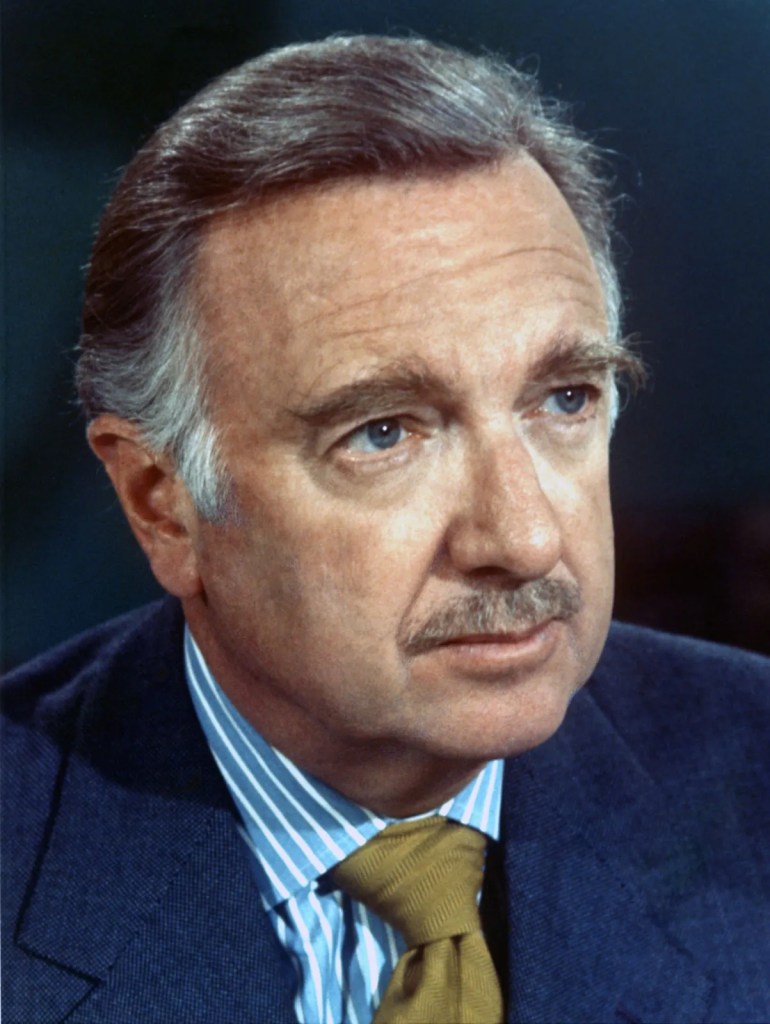
Even when CBS news anchor Walter Cronkite, known as the most-trusted man in America, shared his views at the end of a Special Report on February 27, 1968, that the war in Vietnam was not winnable, he did so only after covering the conflict firsthand and observing things for himself. He was also clear in stating he was expressing his personal conclusions. It took something extremely important for Cronkite to stray from simply reporting the facts. The result of Cronkite sharing his opinion on the futile war in Vietnam? President Lyndon Johnson reportedly said, “If I’ve lost Cronkite, I’ve lost Middle America,” and decided to not run for reelection in 1968.
There is obvious power in media, and today’s outlets are especially not shy about using that power to further their reach and influence – whether sharing real facts or perceived misinformation. It is little wonder then, that research regularly finds Americans having little trust in the media. Now, a recent News Literacy Project study has found even Americans ages 13-18 have negative opinions about the news media.
This should have alarm bells ringing in newsrooms across the country, but likely will not change things too much. At least not anytime soon. There have been numerous similar findings in previous surveys of adults, but little, if anything, has changed as a result. The highly opinionated media “celebrities” of today seem more interested in ratings and furthering their personal careers than in being true journalists and reporting facts.
That is a sad commentary on the state of journalism today, but perhaps the teen generation will be the ones who change things for the better. After all, they already have a better handle on the media than we did when we were their ages.
When asked in the recent survey to share one word they believe describes the news media, a significant 84 percent of the teen respondents gave a negative answer, including: bad, biased, boring, confusing, crazy, depressing, fake, and scary.1

AP media writer David Bauder reported about fifty percent of the teen respondents “believe journalists give advertisers special treatment” and “make up details such as quotes,” while about sixty percent say journalists “regularly take photos and videos out of context.”2
Even fewer teen survey respondents – less than one-third – say journalists actually correct errors, confirm facts before releasing stories, bother to obtain information from multiple sources, or share stories to help protect the public interest; practices Bauder correctly writes are “ingrained in the DNA of reputable journalists.”3
The reputable professionals, though, are often overwhelmed by those playing the role, but I still choose to have hope for the future. From time to time I am asked to speak to college students majoring in journalism and communications. I always tell them it is their responsibility to raise their chosen profession to a considerably higher level of trust than where it currently resides. The only way to do that, I emphasize, is by being true, professional, reputable, and ethical journalists.
For everyone’s sake…let’s hope they are listening.
REMEMBER…
◊ For more information on President Lyndon Johnson and Walter Cronkite, visit the LBJ Presidential Library website at www.lbjlibrary.org or a report by Kenneth T. Walsh for US News and World Report at https://www.usnews.com/news/ken-walshs-washington/articles/2018-02-27/50-years-ago-walter-cronkite-changed-a-nation.
◊ Media Bias Fact Check claims it is “the most comprehensive media bias resource on the internet. There are currently 10,000+ media sources, journalists, politicians, and countries listed in our database and growing every day.” Visit https://mediabiasfactcheck.com/.
◊ Visit davidajolley.com for additional blog posts, other interesting content, and updates on future book releases and appearances.

 David A. Jolley - Homepage
Leave a reply to zombieinventive336a68f89e Cancel reply